
English 
Is your garden fountain suddenly quiet? A Solar Fountain may stop or spray weakly.
Sunlight, debris, or low water often cause it. These problems are usually easy to fix.In this article, you will learn common Solar Fountain issues. You will also discover simple ways to fix them.
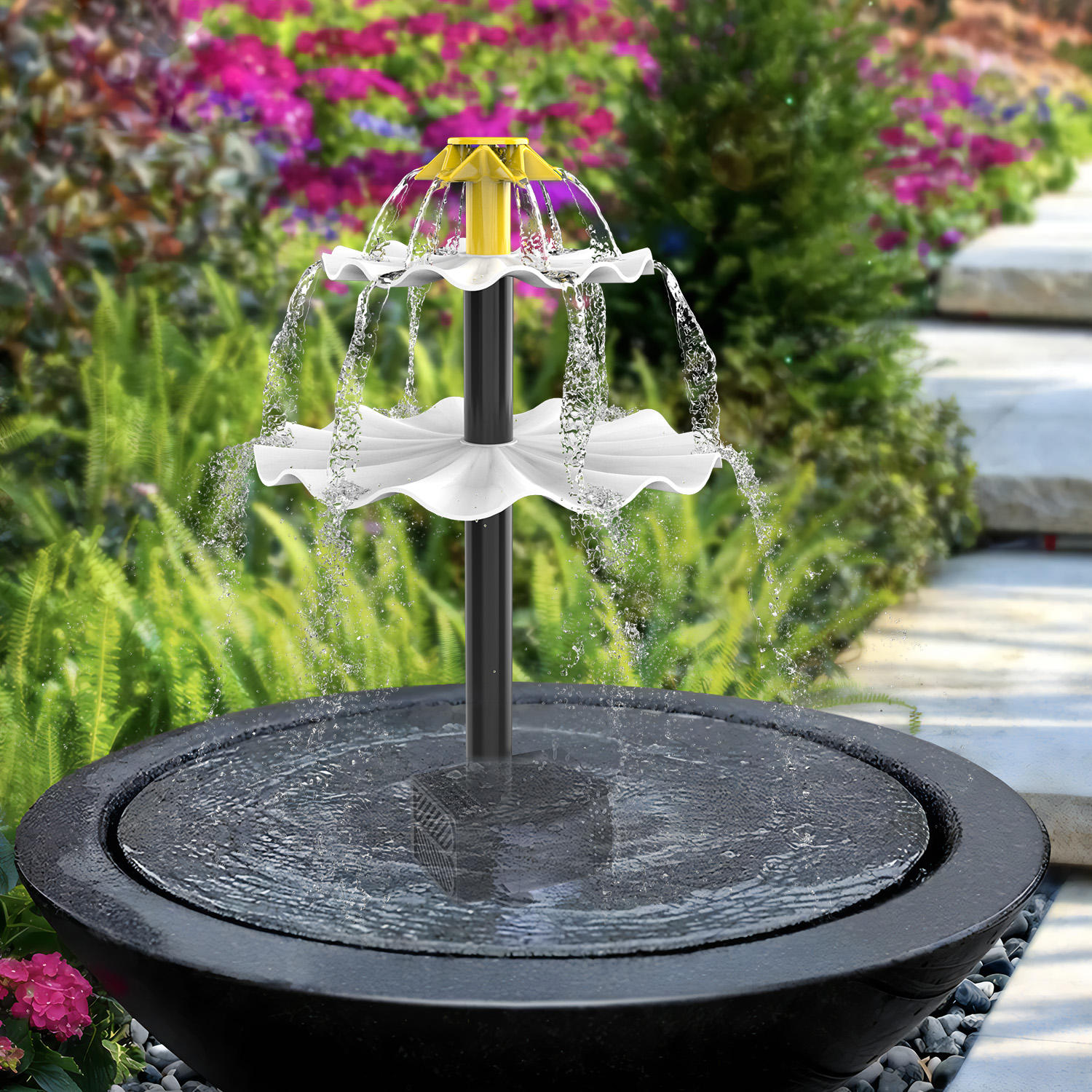
Solar fountains operate in outdoor environments where dust, leaves, algae, and changing weather conditions can affect their performance, which means users may occasionally encounter operational issues. Fortunately, most of these problems are easy to diagnose once you understand the typical causes and solutions.
The following table summarizes several common Solar Fountain issues along with their possible causes and recommended solutions.
Problem | Possible Cause | Quick Solution |
Fountain not working | No sunlight or loose wiring | Move panel to sunlight and check cables |
Weak spray height | Clogged nozzle or dirty pump | Clean filter and rinse nozzle |
Pump stops quickly | Low water level | Refill fountain basin |
Runs only in sunlight | No battery backup | Improve panel placement |
Pump noise but no spray | Impeller blockage | Clean internal rotor |
Understanding these common issues allows homeowners to quickly identify the problem and restore normal fountain operation without replacing the device unnecessarily.
When a Solar Fountain does not operate at all, the most common cause is insufficient sunlight reaching the solar panel, because the pump depends entirely on solar energy to generate water circulation. If the panel is partially shaded by trees, buildings, or nearby objects, the energy output may drop below the minimum level required to start the pump motor.
Another possible reason for a non-working fountain is loose or damaged wiring between the solar panel and the pump, since outdoor exposure to wind or moisture can gradually weaken connections.
To fix this issue, users should first move the solar panel to a location that receives several hours of direct sunlight each day while also checking the wiring to ensure the connectors remain secure and dry. In most cases, once the panel receives sufficient sunlight and the wiring is properly connected, the fountain will begin working immediately.
Many troubleshooting guides indicate that lack of sunlight is the most common cause of solar fountain failure in outdoor environments.
A Solar Fountain may sometimes produce a weak spray pattern even when it is running, which can reduce the visual effect of the water feature and make the fountain appear less attractive in the garden landscape. This usually occurs when debris blocks the pump intake or when dirt accumulates in the spray nozzle openings.
Outdoor fountains often collect leaves, algae, pollen, and small particles that enter the pump system and restrict water flow, especially when the fountain is installed in birdbaths or ponds surrounded by plants.
The best solution is to remove the pump from the water, rinse the filter sponge thoroughly, and clean the nozzle holes with water to remove any blockage. After cleaning, reinstalling the pump usually restores the fountain’s original spray height and water movement.
Cleaning the pump and nozzle once every one or two weeks during the growing season can significantly improve the long-term performance of a solar fountain.
Another issue many users experience is when the fountain starts normally but stops after a short period of operation, which can be confusing because the system initially appears to work correctly. In most cases, this problem occurs when the water level in the container becomes too low, allowing air to enter the pump intake.
When the pump draws air instead of water, the circulation system cannot maintain pressure, and the fountain stops spraying until the pump is submerged again. Evaporation during hot weather can quickly reduce water levels, especially in small decorative bowls or birdbaths.
To solve this problem, simply refill the container with water and ensure that the pump remains fully submerged at all times. Regularly checking the water level during warm seasons helps prevent this issue from happening again.
Many basic Solar Fountain models operate only when strong sunlight reaches the panel, which means the pump may stop running during cloudy weather or when the sun moves behind buildings or trees. This behavior is normal because the solar panel produces less energy when light intensity decreases.
Some advanced solar fountains include built-in rechargeable batteries that store energy during sunny periods and allow the pump to continue working in low-light conditions. However, fountains without battery storage rely entirely on direct sunlight.
To improve performance, users should position the solar panel where it receives maximum sunlight exposure throughout the day, and if consistent operation is required, selecting a model with battery backup may provide better results.
If a Solar Fountain pump produces vibration or noise without spraying water, the problem usually involves a blockage inside the pump housing. The impeller, which is the small rotating component that pushes water through the system, may become stuck due to sand, algae, or debris.
When the impeller cannot spin freely, the pump motor still attempts to operate, creating noise but no water movement. This issue can usually be fixed by opening the pump housing, removing any debris around the rotor, and rinsing the internal chamber with clean water.
After cleaning, the impeller should spin smoothly again, allowing the fountain to resume normal water circulation.
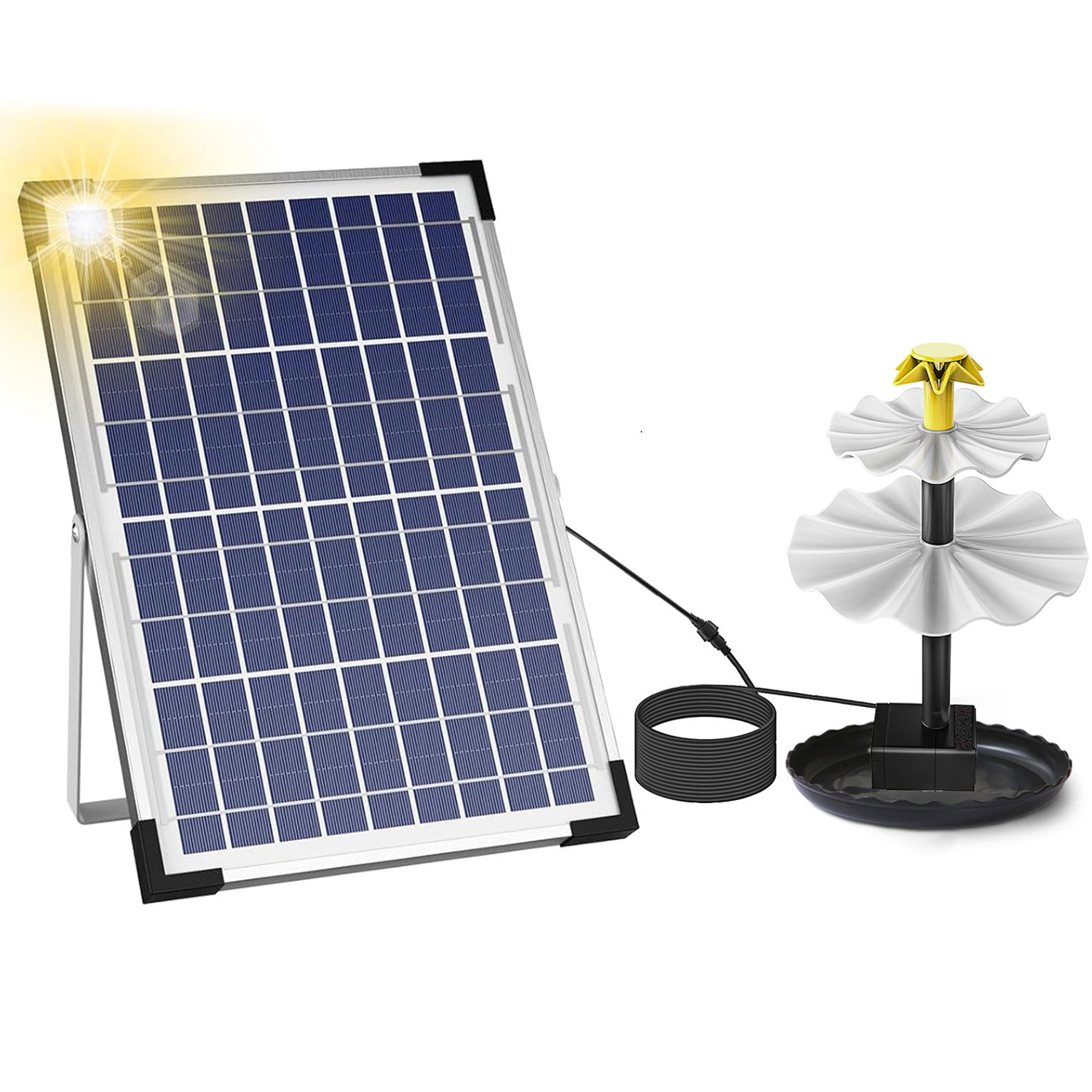
Understanding the underlying reasons behind fountain malfunctions can help users prevent future problems and maintain consistent performance.
● Lack of Direct Sunlight
Solar panels require strong sunlight to generate enough electricity for the pump motor. When panels are placed in shaded garden corners or under dense trees, the reduced energy output may prevent the fountain from operating properly.
● Dirty Solar Panels
Outdoor solar panels often accumulate dust, pollen, and bird droppings, which block sunlight and reduce the panel’s ability to produce electricity. Even a thin layer of dirt can reduce solar efficiency significantly.
Cleaning the panel surface regularly with a soft cloth helps maintain optimal performance.
● Low Water Level
A Solar Fountain pump must remain submerged in water in order to function correctly. When water levels drop due to evaporation or splashing, the pump may draw air instead of water, causing the fountain to stop.
● Battery Problems in Solar Fountain Models
Solar fountains equipped with rechargeable batteries may eventually experience battery degradation over time. After several years of use, the battery may no longer store sufficient energy to power the pump during low-light conditions, which can cause inconsistent operation.
Replacing the rechargeable battery every two to three years can restore stable performance in solar fountain systems.
The pump is the most important mechanical component of any Solar Fountain, since it is responsible for circulating water through the fountain system. Regular maintenance helps extend the lifespan of the pump and ensures reliable operation.
● Clogged Pump Filter
The intake filter prevents debris from entering the pump motor, but over time it may become blocked by leaves, algae, or sediment. Cleaning the filter regularly helps maintain smooth water flow.
● Impeller Jam Inside the Pump
Small particles such as sand or algae can accumulate around the impeller and prevent it from rotating properly. Removing the pump housing and cleaning the rotor chamber usually resolves this problem.
● Worn Pump Motor
Solar fountain pumps typically last several years before internal components begin to wear out. When the motor becomes weak, water flow may decrease even after cleaning.
● Loose Wiring Between Pump and Solar Panel
Outdoor installations expose cables to weather conditions that may loosen connections over time. Inspecting and tightening wiring periodically helps prevent electrical interruptions.
Proper water circulation plays a major role in both fountain aesthetics and water quality. Several common issues can affect the flow pattern.
Water Flow Issue | Typical Cause | Solution |
Excess splashing | Spray height too high | Adjust nozzle |
Uneven spray | Clogged holes | Clean nozzle |
Poor circulation | Pump too small | Use larger pump |
Water loss | Evaporation or wind | Refill water regularly |
Maintaining stable water flow not only improves the visual appeal of the fountain but also prevents pump damage caused by insufficient water circulation.
When a Solar Fountain stops functioning correctly, following a simple troubleshooting process can quickly identify the problem and restore operation.
First, check whether the solar panel receives direct sunlight for several hours each day, because insufficient sunlight is the most common cause of pump failure. Next, clean the panel surface to remove dust or debris that may block sunlight. After that, inspect the pump and filter sponge to ensure they are free of leaves or sediment. Finally, confirm that the water level remains high enough to keep the pump submerged and that all cables remain securely connected.
Performing this troubleshooting checklist once every few weeks can prevent many common solar fountain problems before they affect performance.
Routine maintenance is the best way to keep a Solar Fountain operating smoothly and to extend the lifespan of its pump and solar panel.
Cleaning the pump regularly prevents debris buildup that could block water flow, while keeping the solar panel free from dust ensures maximum energy generation. Maintaining proper water levels is also essential because low water levels can cause the pump to run dry and potentially damage the motor.
In colder climates, storing the fountain pump indoors during winter protects it from freezing temperatures that may crack internal components.
Seasonal maintenance significantly increases the operational lifespan of solar fountains used in outdoor environments.
Although most solar fountain issues can be solved with cleaning and maintenance, there are situations where replacing the pump becomes necessary. If the motor fails to start even when the panel receives strong sunlight, the pump may have reached the end of its service life. Similarly, if water flow remains weak after thorough cleaning or if grinding noises occur during operation, the impeller or motor components may be damaged.
In addition, cracks or severe discoloration on the solar panel can reduce power output and prevent the pump from working efficiently, which may require replacing the panel or the entire fountain system.
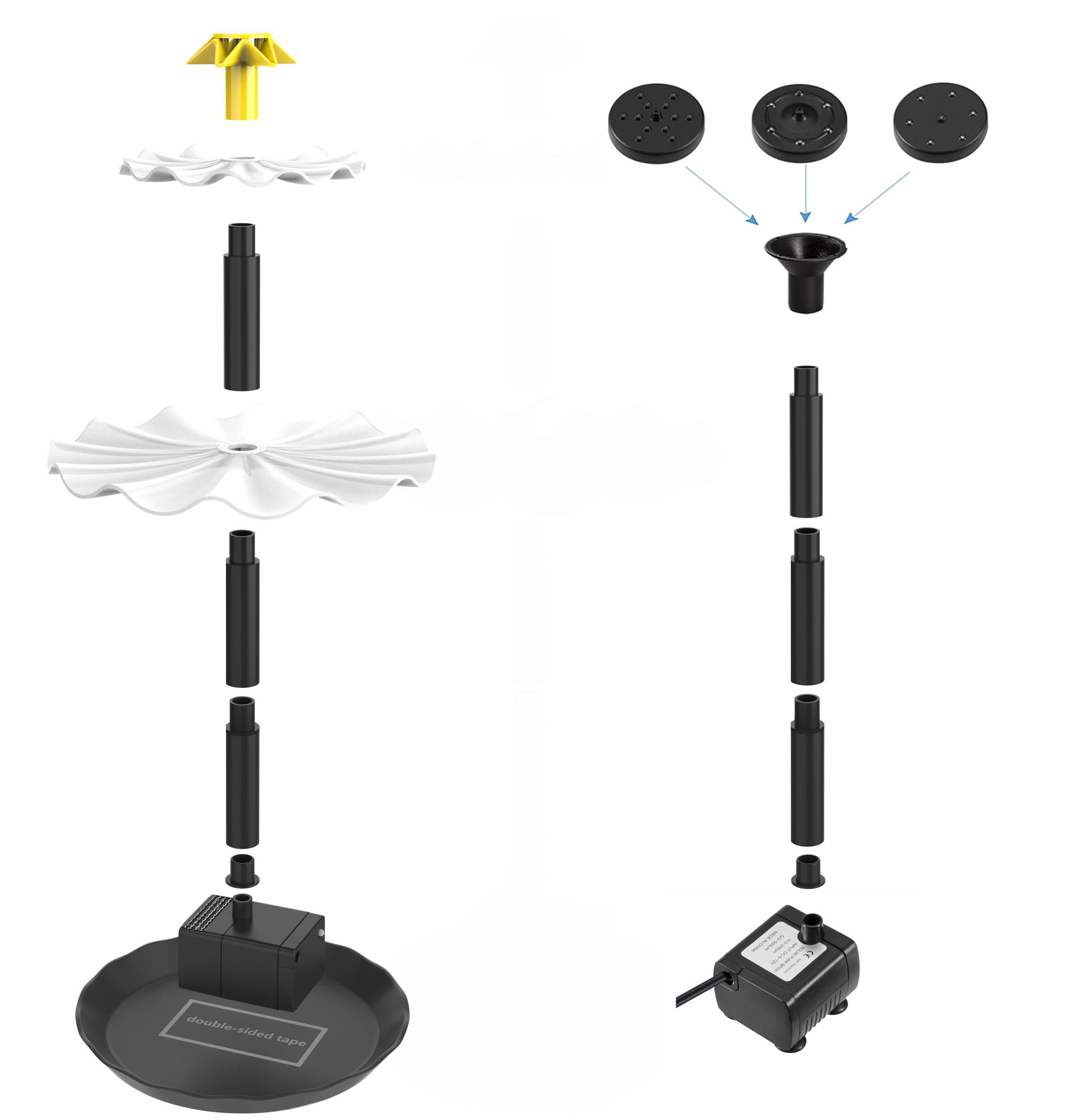
A Solar Fountain is an eco-friendly way to enhance backyard landscapes by adding gentle water movement while using renewable solar energy. Products from Shenzhen BSV Solar Energy Co., Ltd. show how solar technology can create attractive garden water features without complex wiring or electricity costs. Although outdoor conditions may sometimes affect performance, most issues such as weak spray, clogged pumps, or low sunlight can be solved with simple maintenance.
By cleaning the pump regularly, keeping the solar panel dust-free, maintaining proper water levels, and placing the panel in a sunny location, homeowners can keep their solar fountain running efficiently for years. With reliable designs from Shenzhen BSV Solar Energy Co., Ltd., a solar fountain can remain a relaxing focal point in ponds, birdbaths, and backyard landscapes.
A: A Solar Fountain may stop working due to weak sunlight, low water level, or a clogged pump filter.
A: Clean the Solar Fountain nozzle and filter sponge, and ensure the solar panel receives direct sunlight.
A: A Solar Fountain often stops when the water level drops and the pump intake draws air.
A: Most Solar Fountain models slow down or stop in low sunlight unless they include a battery backup.
A: Clean the Solar Fountain pump every one to two weeks to prevent debris from blocking water flow.