
English 
Views: 0 Author: Site Editor Publish Time: 2025-10-27 Origin: Site


Creating a beautiful and relaxing outdoor space is a dream for many homeowners. Gardens are no longer just patches of green; they are extensions of the living space, providing a sanctuary from the hustle and bustle of daily life. Among the various features that can elevate your garden, a solar fountain stands out as a low-maintenance, eco-friendly, and visually stunning option.
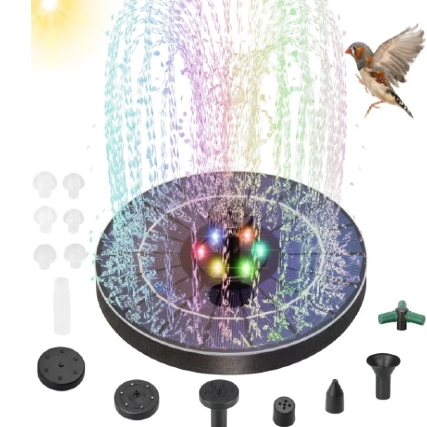
A solar fountain is a water feature powered entirely by solar energy. Unlike traditional fountains that rely on electricity or manual pumps, solar fountains use solar panels to capture sunlight and convert it into energy to power a water pump. This system is environmentally friendly, energy-efficient, and ideal for gardens, patios, balconies, and even indoor settings with sufficient sunlight.
The basic components of a solar fountain include:
Solar panels – capture sunlight and convert it into electricity.
Water pump – circulates water from the reservoir through the fountain.
Water reservoir or basin – stores water for continuous operation.
Nozzles and spray heads – control the shape and height of water streams.
By harnessing sunlight, solar fountains offer a self-sustaining decorative element that requires minimal intervention while providing continuous aesthetic and auditory enjoyment.
A solar fountain is not just a decorative water feature; it is a multifunctional addition to your garden that combines aesthetics, sustainability, and wellness. Here’s why choosing a solar fountain can be a transformative decision for your outdoor space.
One of the primary advantages of a solar fountain is its environmental friendliness. These fountains rely solely on solar energy, meaning they do not consume electricity from the grid and produce zero carbon emissions. For homeowners concerned about their ecological footprint, a solar fountain provides a beautiful way to enjoy water features without contributing to pollution or energy waste.
Additionally, since solar fountains are powered by sunlight, they reduce your energy costs. Unlike electric fountains that can significantly increase electricity bills, solar fountains operate for free once installed. This energy efficiency makes them an ideal choice for sustainable gardening, helping homeowners combine beauty with responsible energy usage.
Another reason to choose a solar fountain is its simplicity and convenience. Traditional fountains often require complex installation, including wiring for electricity or plumbing for water circulation. Solar fountains, in contrast, are largely plug-and-play. Most units come with a solar panel that can be placed in a sunny location, while the fountain itself can be positioned in a pond, patio, or garden bed.
Maintenance is also minimal. The primary tasks involve cleaning the water basin and the pump to prevent debris buildup. For floating fountains, occasional cleaning of leaves and algae is sufficient to maintain smooth operation. Because solar fountains do not rely on electrical wiring, there’s also no risk of electrical hazards, making them safer for households with children or pets.
Solar fountains are available in a wide variety of styles and sizes, making them suitable for almost any outdoor space. Classic tiered fountains bring a sense of elegance and sophistication, cascading water gracefully from one level to another. Minimalist modern designs, often featuring sleek lines and simple basins, are perfect for contemporary gardens and urban patios.
Some solar fountains are designed as floating units for ponds or pools, offering unique reflections and movement across the water surface. Others are freestanding or tabletop fountains, suitable for smaller patios, balconies, or even indoor spaces near a sunny window. This versatility ensures that whether your garden is expansive or compact, there is a solar fountain that complements the space perfectly.
The soothing sound of flowing water is naturally calming and can enhance the sense of peace in any garden. Studies show that water features can reduce stress, promote relaxation, and even improve mental well-being. A solar fountain provides these benefits without ongoing energy costs or complicated maintenance.
Moreover, solar fountains attract birds, butterflies, and other beneficial wildlife, creating a lively, dynamic garden ecosystem. The presence of these creatures enhances the garden’s ecological balance and makes your outdoor space feel more connected to nature.
Understanding the various types of solar fountains can help you select the one that best suits your garden’s size, style, and function.
Floating fountains are designed to rest directly on the surface of ponds or pools. They often feature multiple spray patterns and aerate the water, which improves oxygen levels and supports healthy aquatic life. Floating solar fountains are visually appealing because they create movement on the water surface, adding sparkle and reflecting sunlight beautifully throughout the day.
Tiered fountains consist of stacked basins through which water cascades gracefully. This design is ideal for classic garden aesthetics and serves as a natural focal point for flower beds, patios, or entranceways. The multi-level water flow also enhances the soothing auditory effect, with water splashing at each tier, producing a gentle, relaxing sound.
For apartments, balconies, or indoor gardens, tabletop solar fountains provide compact water features that still deliver the soothing sound of flowing water. These small units can operate in windows or sunny corners, offering the therapeutic benefits of a fountain in a confined space. Despite their size, they contribute to the ambiance, attracting birds, creating gentle sounds, and adding an elegant visual touch.
A static garden can feel dull, but water in motion introduces dynamic energy. The gentle splashing and flowing water mask unwanted noise and create a relaxing soundscape.
During sunny days, the flowing water glimmers under the sun, adding sparkle and visual depth. At night, some solar fountains come with LED lights, enhancing the ambiance and allowing your garden to shine even after sunset.
A solar fountain can serve as a focal point, highlighting flower beds, pathways, and rock gardens. Its natural element blends with greenery, enhancing both aesthetic appeal and the sense of serenity.
The sound and presence of water attract birds, bees, and butterflies. This biodiversity enriches the garden ecosystem and promotes pollination, indirectly benefiting your plants.
Installing a solar fountain is straightforward, but careful planning ensures optimal performance and longevity.
Place the fountain where it receives direct sunlight for at least 5–6 hours a day.
Avoid areas prone to heavy debris or falling leaves, which may clog the pump.
Consider visibility—position the fountain where it can be enjoyed from patios, decks, or windows.
Fill the basin with clean water, ensuring the pump is fully submerged.
Adjust spray nozzles to achieve the desired height and pattern of water flow.
If your fountain has a detachable solar panel, place it separately in the sun for maximum efficiency.
Clean the pump and filter every 1–2 weeks, especially during summer when debris accumulates faster.
Refill the water regularly to prevent dry running, which can damage the pump.
During winter or freezing conditions, store the fountain indoors or drain it to avoid cracks.
Feature | Solar Fountain | Traditional Electric Fountain |
Power Source | Sunlight (free) | Electricity (costly) |
Installation | Easy, no wiring required | Requires electrical connection |
Portability | Can be moved easily | Often fixed |
Maintenance | Low, minimal parts | Higher, requires electrical safety checks |
Environmental Impact | Zero emissions | Energy-dependent, carbon footprint |
The table illustrates why solar fountains are increasingly popular—they combine convenience, cost-effectiveness, and environmental sustainability.
Ensure Optimal Sunlight Exposure: Even partially shaded areas reduce water flow.
Use Clean Water: Prevent algae and debris from clogging the pump.
Winter Storage: If you live in freezing climates, remove and store the fountain indoors during winter.
LED Lighting: Consider solar fountains with built-in lights to enhance evening garden aesthetics.
Complement with Plants: Surround the fountain with plants that thrive near water to create a cohesive, natural look.
A solar fountain is more than just a decorative element—it’s an eco-friendly, energy-efficient, and visually appealing addition to any outdoor space. It introduces movement, sound, and tranquility, enhancing both the aesthetic and functional value of your garden. With simple installation, low maintenance, and zero electricity costs, a solar fountain is a smart investment for homeowners looking to create a peaceful oasis without hassle.
For those interested in exploring high-quality solar fountains and other solar-powered garden solutions, Shenzhen BSV Solar Energy Co., Ltd. offers a wide range of innovative products suitable for home gardens, patios, and larger outdoor spaces. Their team can provide guidance and help you select the ideal solar fountain to effortlessly transform your garden.


