
English 
The longevity of solar irrigation systems is a topic of significant interest to farmers, gardeners, and environmentalists alike. These systems, which harness solar energy to power irrigation, are not only eco-friendly but also cost-effective in the long run. However, understanding how long these systems last and what factors influence their lifespan is crucial for making informed decisions. In this article, we will explore the various components of solar irrigation systems, factors affecting their durability, and best practices for maintenance. For those interested in learning more about specific products, the Solar Irrigation System manufacturer offers a range of options.
Solar irrigation systems are composed of several key components, each playing a vital role in the system's functionality and longevity. These include solar panels, pumps, controllers, and irrigation equipment. The solar panels capture sunlight and convert it into electricity, which powers the pump. The pump then moves water from a source to the irrigation system, which distributes it to the plants. Controllers manage the flow and timing of water delivery, ensuring efficient use of resources.
The quality and durability of these components significantly impact the overall lifespan of the system. For instance, high-quality solar panels can last 25 to 30 years, while pumps and controllers may need replacement every 5 to 10 years. The irrigation equipment, such as drip lines and emitters, can last anywhere from 5 to 15 years, depending on the materials used and environmental conditions.
Solar panels are the most critical component of a solar irrigation system. They are responsible for converting sunlight into electricity, which powers the entire system. The lifespan of solar panels is typically 25 to 30 years, with minimal degradation over time. Factors such as the quality of materials, manufacturing processes, and environmental conditions can affect their longevity. For instance, panels made with high-quality silicon tend to last longer and perform better in harsh weather conditions.
Pumps and controllers are essential for moving water and managing its distribution. The lifespan of these components varies based on the type and quality of the materials used. Submersible pumps, often used in solar irrigation systems, can last 5 to 10 years, while surface pumps may have a shorter lifespan. Controllers, which regulate the flow and timing of water, typically last 5 to 7 years. Regular maintenance and proper installation can extend the life of these components.
The irrigation equipment, including drip lines, emitters, and valves, is crucial for delivering water to plants efficiently. The lifespan of these components depends on the materials used and the environmental conditions they are exposed to. High-quality polyethylene drip lines can last 10 to 15 years, while cheaper materials may degrade faster. Regular inspection and cleaning can help maintain the efficiency and longevity of the irrigation equipment.
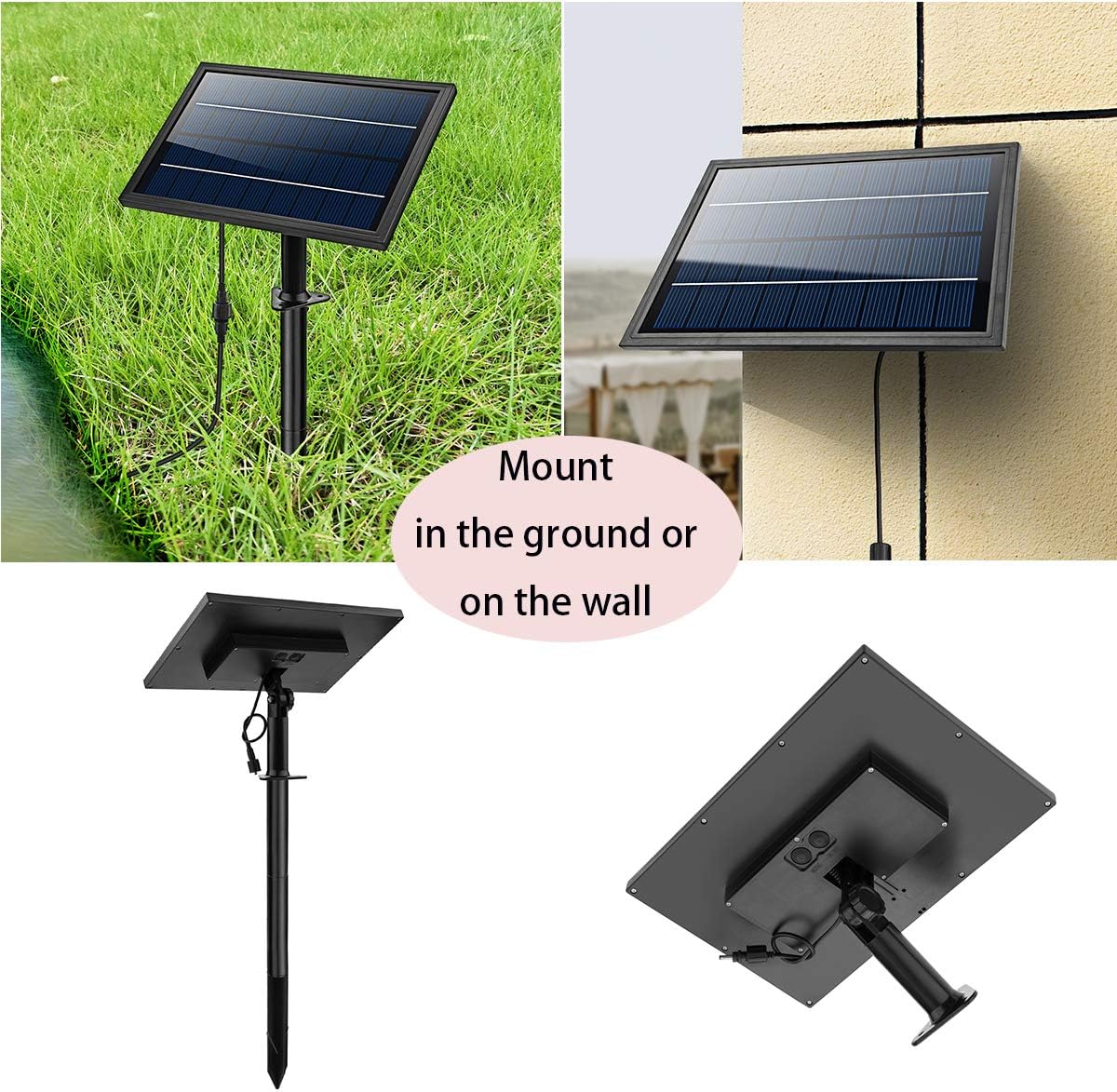
Several factors can influence the lifespan of a solar irrigation system. These include environmental conditions, quality of materials, installation practices, and maintenance routines. Understanding these factors can help users optimize the performance and longevity of their systems.
Environmental conditions, such as temperature, humidity, and exposure to sunlight, can significantly impact the lifespan of solar irrigation systems. Extreme temperatures can cause components to expand and contract, leading to wear and tear. High humidity levels can lead to corrosion, especially in metal components. Additionally, prolonged exposure to sunlight can degrade certain materials, reducing their effectiveness over time.
The quality of materials used in the construction of solar irrigation systems plays a crucial role in their longevity. High-quality materials, such as corrosion-resistant metals and UV-resistant plastics, can withstand harsh environmental conditions and last longer. Investing in a Reliable Eco-friendly Solar Irrigation System with durable components can save money and resources in the long run.
Proper installation is critical for ensuring the longevity of a solar irrigation system. Incorrect installation can lead to inefficiencies and premature failure of components. It is essential to follow manufacturer guidelines and consult with professionals if necessary. Ensuring that all components are securely mounted and protected from environmental elements can prevent damage and extend the system's lifespan.
Regular maintenance is vital for keeping a solar irrigation system in optimal condition. This includes cleaning solar panels to ensure maximum efficiency, inspecting pumps and controllers for wear and tear, and checking irrigation equipment for clogs or leaks. Establishing a routine maintenance schedule can help identify potential issues early and prevent costly repairs or replacements.
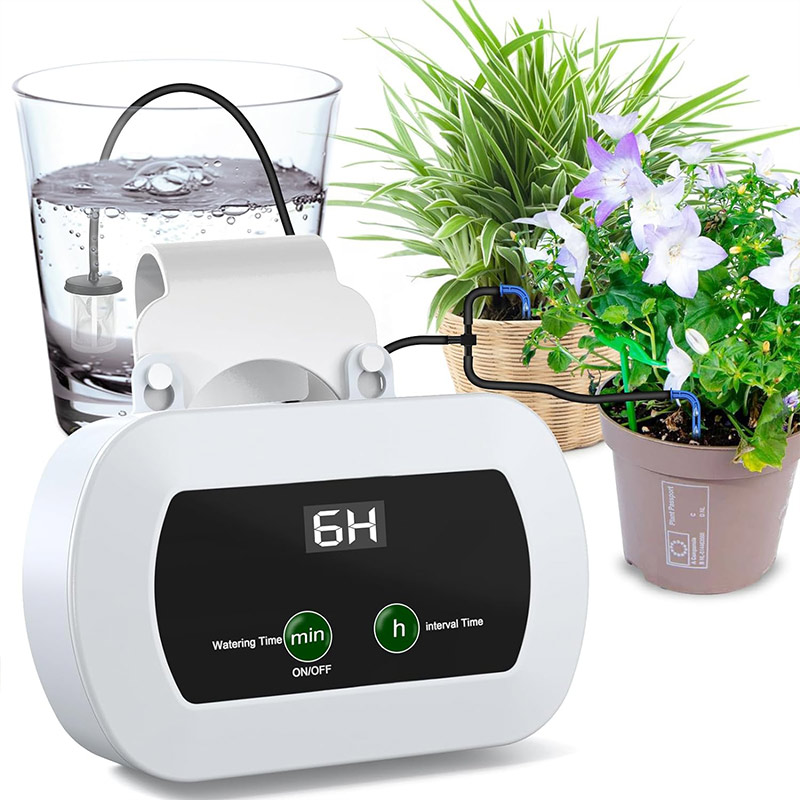
To maximize the lifespan of a solar irrigation system, users should adopt best practices that focus on quality, installation, and maintenance. These practices not only enhance the system's durability but also improve its efficiency and effectiveness.
Investing in high-quality components is one of the most effective ways to ensure the longevity of a solar irrigation system. While the initial cost may be higher, the long-term benefits of reduced maintenance and replacement costs make it a worthwhile investment. Look for components that are specifically designed for solar irrigation systems and have a proven track record of durability and performance.
Adhering to manufacturer guidelines for installation and maintenance is crucial for the longevity of a solar irrigation system. These guidelines provide valuable information on how to properly install and care for the system, ensuring it operates efficiently and lasts as long as possible. If any doubts arise, consulting with professionals or the manufacturer can provide additional guidance.
Establishing a regular maintenance and inspection routine is essential for identifying potential issues before they become significant problems. This includes cleaning solar panels, checking for leaks or clogs in the irrigation system, and inspecting pumps and controllers for signs of wear. Addressing minor issues promptly can prevent more extensive damage and extend the system's lifespan.
Protecting the system from environmental elements, such as extreme temperatures, humidity, and UV exposure, can significantly enhance its longevity. This can be achieved by installing protective covers, using corrosion-resistant materials, and positioning components in shaded or sheltered areas. Taking these precautions can prevent damage and ensure the system operates efficiently for years to come.
In conclusion, the lifespan of a solar irrigation system depends on various factors, including the quality of components, environmental conditions, installation practices, and maintenance routines. By investing in high-quality materials, following manufacturer guidelines, and implementing regular maintenance, users can significantly extend the life of their systems. For those interested in exploring different options, the BSV-IC012 Solar Irrigation System and BSV-IC201 Solar Irrigation System are excellent choices that offer reliability and efficiency.
1. How long do solar panels in irrigation systems typically last?
Solar panels in irrigation systems typically last 25 to 30 years, depending on the quality of materials and environmental conditions.
2. What factors affect the lifespan of a solar irrigation system?
Factors affecting the lifespan include environmental conditions, quality of materials, installation practices, and maintenance routines.
3. How can I extend the life of my solar irrigation system?
Invest in high-quality components, follow manufacturer guidelines, perform regular maintenance, and protect the system from environmental elements.
4. What is the typical lifespan of pumps and controllers in solar irrigation systems?
Pumps and controllers generally last 5 to 10 years, depending on the type and quality of materials used.
5. Are there specific maintenance routines for solar irrigation systems?
Yes, regular cleaning of solar panels, inspection of pumps and controllers, and checking irrigation equipment for clogs or leaks are recommended.
6. What materials are best for solar irrigation systems?
Corrosion-resistant metals and UV-resistant plastics are ideal for withstanding harsh environmental conditions and extending system longevity.