
English 
Solar fountains have become a popular choice for homeowners looking to enhance their outdoor spaces with eco-friendly and aesthetically pleasing water features. These fountains, powered by solar energy, offer a sustainable solution for gardens, bird baths, and ponds. However, one common question that arises is, "How long does a solar fountain last?" This article delves into the factors affecting the lifespan of solar fountains, their benefits, and how to maximize their longevity. For those interested in exploring a range of solar fountains, you can find more options at solar fountains for sale.
Solar fountains operate using solar panels that convert sunlight into electricity, powering a pump that circulates water. They are an excellent choice for those who wish to reduce their carbon footprint while enjoying the soothing sounds of flowing water. Solar fountains come in various designs, including those for bird baths, gardens, and ponds. Their versatility and ease of installation make them a favored option for outdoor spaces.
The primary components of a solar fountain include the solar panel, pump, and water reservoir. The solar panel is typically made of photovoltaic cells that capture sunlight. The pump, powered by the electricity generated, circulates the water, creating the fountain effect. The water reservoir holds the water that is recirculated. Understanding these components is crucial for maintaining the fountain and ensuring its longevity.
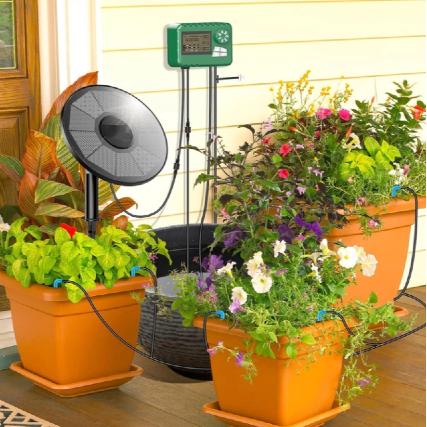
Several factors influence how long a solar fountain lasts. These include the quality of materials used, maintenance practices, and environmental conditions. High-quality solar fountains, such as those offered by reputable solar fountains manufacturers, are likely to last longer due to superior craftsmanship and materials.
The durability of a solar fountain largely depends on the materials used in its construction. Fountains made from high-quality materials like stainless steel, copper, or durable plastics tend to withstand the elements better than those made from cheaper materials. Investing in a well-constructed fountain can significantly extend its lifespan.
Regular maintenance is essential for prolonging the life of a solar fountain. This includes cleaning the solar panel to ensure maximum sunlight absorption, checking the pump for debris, and ensuring the water reservoir is adequately filled. Proper maintenance can prevent common issues like algae buildup and pump blockages, which can shorten the fountain's lifespan.
The environment where the solar fountain is placed also affects its longevity. Fountains located in areas with harsh weather conditions, such as extreme heat or cold, may experience wear and tear more quickly. It's advisable to place the fountain in a sheltered location or store it indoors during adverse weather to protect it from damage.
To ensure a solar fountain lasts as long as possible, it's important to follow best practices for installation and maintenance. This includes selecting a suitable location, performing regular maintenance, and using high-quality components.
Placing the solar fountain in an area that receives ample sunlight is crucial for its operation. The solar panel should be positioned to capture maximum sunlight throughout the day. Avoid placing the fountain under trees or structures that could cast shadows on the solar panel.
Regular cleaning of the solar panel and pump is essential for optimal performance. Dust and debris can accumulate on the solar panel, reducing its efficiency. Similarly, the pump should be checked for blockages and cleaned as needed. Keeping the water reservoir clean and filled with fresh water can also prevent issues like algae growth.
Investing in a solar fountain with high-quality components can significantly extend its lifespan. Look for fountains with durable materials and reliable pumps. Additionally, consider purchasing from reputable manufacturers who offer warranties and customer support.
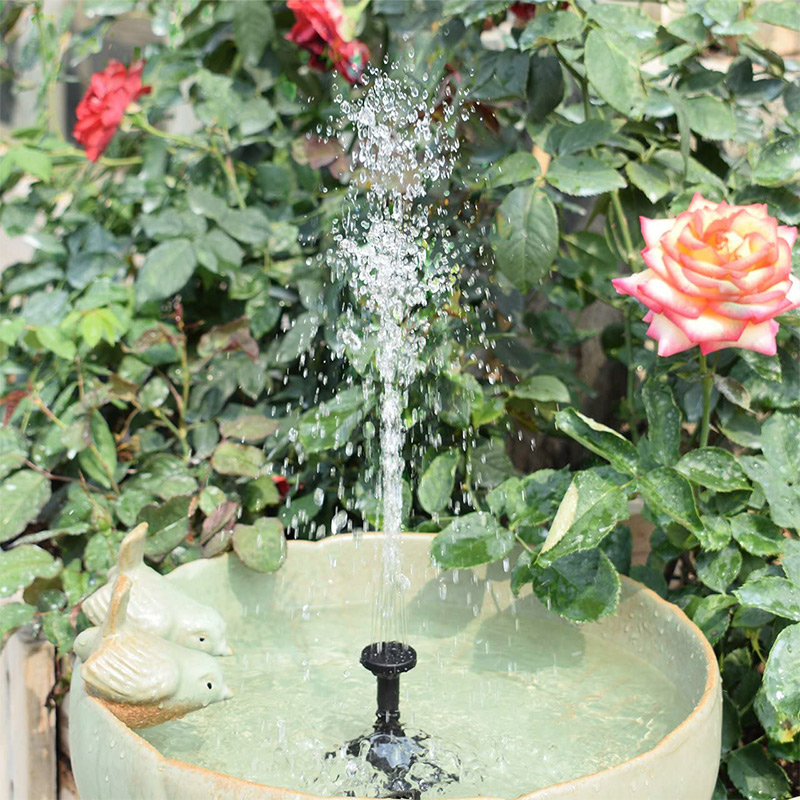
The lifespan of a solar fountain depends on various factors, including material quality, maintenance practices, and environmental conditions. By choosing a high-quality fountain, performing regular maintenance, and selecting an optimal location, you can maximize the longevity of your solar fountain. For more information on solar fountains and their benefits, visit solar fountains outdoor.
1. How long can a solar fountain typically last?
A well-maintained solar fountain can last several years, often ranging from 2 to 5 years, depending on the quality of materials and environmental conditions.
2. What maintenance is required for solar fountains?
Regular cleaning of the solar panel and pump, ensuring the water reservoir is filled, and checking for debris or blockages are essential maintenance practices.
3. Can solar fountains work in shaded areas?
Solar fountains require direct sunlight to operate efficiently. They may not perform well in shaded areas unless equipped with a battery backup.
4. Are there solar fountains with lights?
Yes, many solar fountains come with integrated LED lights, enhancing their aesthetic appeal during nighttime.
5. Do solar fountains require electricity?
No, solar fountains operate solely on solar energy, eliminating the need for electricity and reducing energy costs.
6. How do I protect my solar fountain during winter?
It's advisable to store the fountain indoors or cover it during winter to protect it from freezing temperatures and harsh weather.
7. Where can I purchase high-quality solar fountains?
High-quality solar fountains can be purchased from reputable manufacturers and retailers, such as those found at solar fountains for gardens.