
English 
Ever wanted a garden fountain without wires? A Solar Fountain makes that possible.
It runs on sunlight. No electricity bills needed.Many gardens want beauty and calm. But installation can be complex.In this guide, you will learn how a Solar Fountain works, how to choose the right one, and how to install it easily.
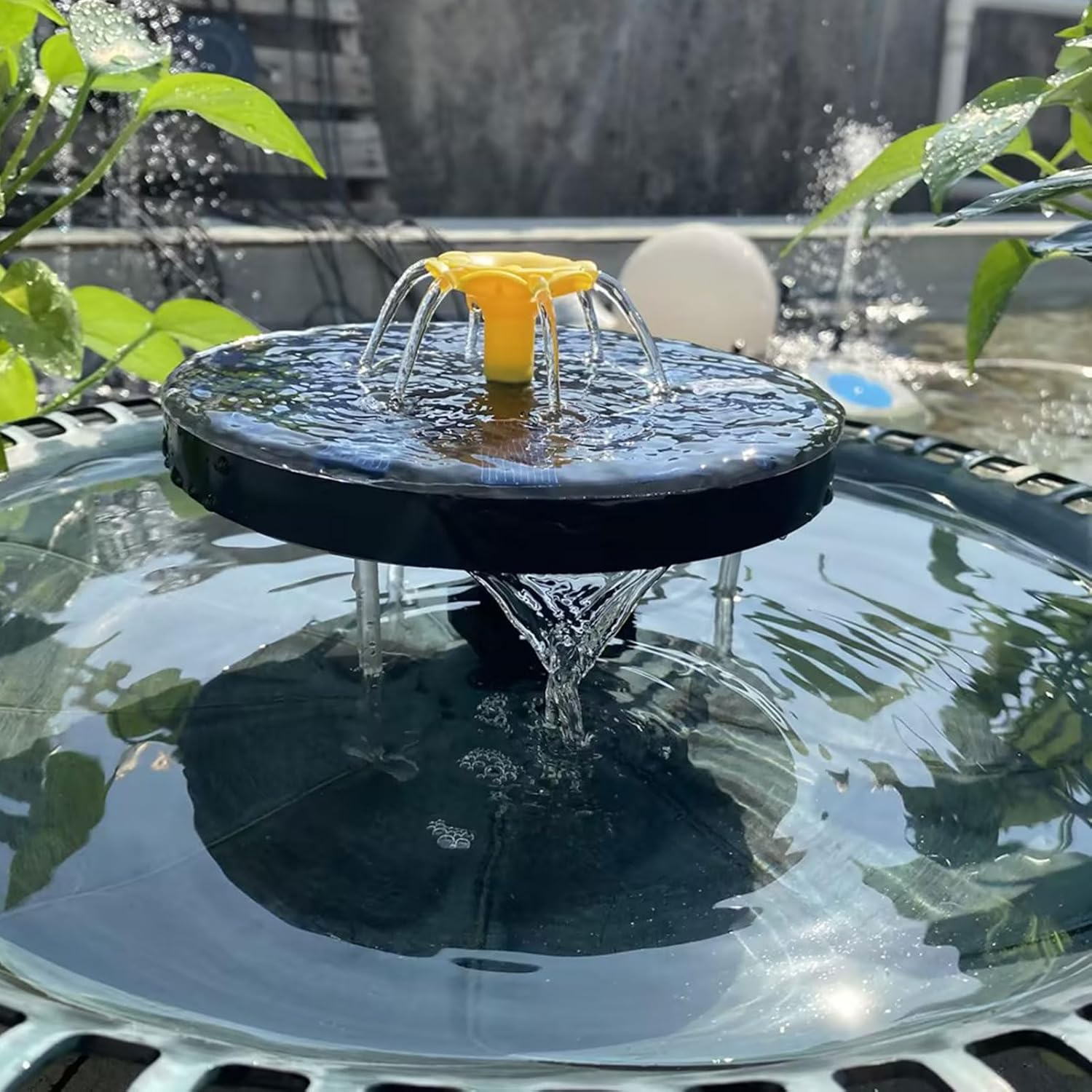
Sustainability has become a key principle in contemporary landscape design, and homeowners increasingly prefer garden elements that reduce environmental impact while still providing visual beauty. A Solar Fountain perfectly aligns with this trend because it uses renewable solar energy instead of electricity from the grid, allowing the fountain pump to operate entirely through sunlight collected by solar panels. This approach significantly reduces energy consumption and eliminates the need for additional electrical infrastructure in outdoor spaces.
Beyond energy savings, solar fountains also help create healthier garden ecosystems, because moving water naturally attracts birds, butterflies, and pollinators that depend on water sources for drinking and bathing. When birds gather around a fountain, they contribute to seed dispersal and natural pest control, which supports overall garden biodiversity. In addition, flowing water prevents stagnation, which discourages mosquito breeding and helps maintain a cleaner and more balanced outdoor environment.
Traditional electric fountains often restrict where a water feature can be placed because they require a nearby electrical outlet and weather-resistant wiring. This limitation forces many homeowners to compromise on their landscape design because the fountain must remain close to a power source. In contrast, a Solar Fountain eliminates these restrictions because it operates independently from household electricity, allowing the fountain to be positioned wherever sunlight is available.
This cable-free design provides much greater flexibility in garden layout, making it possible to place fountains in central landscape areas, small decorative ponds, birdbaths, patio corners, or even balcony water features. Because most solar fountains use detachable solar panels connected to a pump, the panel itself can be positioned in direct sunlight while the fountain remains in a shaded decorative area if necessary. This flexibility allows landscape designers and homeowners to experiment with creative placement without worrying about power supply limitations.
When choosing a solar fountain, models with separate solar panels allow more flexibility in positioning the fountain and maximizing sunlight exposure.
While the initial purchase price of a solar-powered fountain may be slightly higher than that of a basic electric fountain, the long-term cost advantages are significant because solar fountains operate entirely on free sunlight rather than paid electricity. Electric fountains continuously draw power from the grid, which means they contribute to monthly utility bills, especially if they run for many hours each day.
Solar fountains also require fewer electrical components and installation materials, which reduces maintenance costs over time. There is no need to replace outdoor wiring, repair electrical connectors, or hire electricians for setup, which can significantly lower overall ownership expenses. Over several years, the energy savings and simplified maintenance often make solar fountains a more cost-effective option for homeowners.
Cost Factor | Electric Fountain | Solar Fountain |
Power Source | Household electricity | Solar energy |
Installation | Wiring and outlets required | Simple placement |
Energy Cost | Continuous electricity cost | No electricity cost |
Maintenance | Electrical repairs possible | Minimal maintenance |
One of the most appealing aspects of a water feature is the calming sensory experience it provides, and a Solar Fountain can significantly improve the atmosphere of a garden by introducing gentle water movement and relaxing sound. The soft trickling or spraying of water helps mask unwanted background noise such as traffic or urban activity, which creates a more tranquil outdoor environment where homeowners can relax and enjoy their surroundings.
In addition to the aesthetic and acoustic benefits, solar fountains encourage wildlife interaction by providing accessible water sources for birds, butterflies, and beneficial insects. Birds frequently use garden fountains for drinking and bathing, especially during warm seasons when natural water sources may be limited, while pollinators are naturally drawn to areas with moving water. Over time, these interactions can transform a simple garden into a lively mini ecosystem where plants, wildlife, and decorative features coexist harmoniously.
Floating solar fountain pumps are among the simplest and most affordable solar water features available for home gardens, because they combine the solar panel and pump into a single floating unit that sits directly on the water surface. These fountains are commonly used in birdbaths, small decorative ponds, and shallow garden pools where the floating pump can spray water upward while drawing power directly from sunlight.
Because floating fountains require minimal installation and no complex components, they are especially popular among homeowners who want a quick decorative upgrade without modifying existing garden structures. However, these fountains typically perform best in areas with stable water levels and minimal debris, since leaves and dirt can occasionally block the pump intake.
Freestanding solar fountains are larger decorative structures that serve as focal points within garden landscapes, often featuring tiered basins or cascading water designs that create a visually impressive centerpiece. These fountains are commonly placed in the center of lawns, courtyard gardens, or large patio spaces where they can become the main visual attraction.
Many freestanding solar fountains are constructed from materials such as stone, ceramic, resin, or metal, each offering different aesthetic styles and durability levels depending on climate conditions. Stone and concrete models provide a traditional look with strong durability, while resin versions offer lightweight alternatives that mimic natural materials without the heavy weight.
In urban environments where garden space may be limited, wall-mounted solar fountains offer a practical and elegant solution for adding water features without occupying valuable floor space. These fountains are attached directly to vertical surfaces such as garden walls or fences, allowing water to flow downward into a small basin while the solar panel collects sunlight nearby.
Wall fountains are particularly suitable for patios, balconies, and courtyard gardens because they maximize visual impact while minimizing spatial requirements, making them ideal for compact outdoor living areas.
Modern garden design often emphasizes minimalism, clean lines, and geometric shapes, which has led to the popularity of minimalist solar fountain designs that integrate seamlessly with contemporary architecture. Stainless steel spheres, smooth stone bowls, and concrete water basins are commonly used in modern landscapes where subtle water movement complements structured plant arrangements and architectural elements.
These fountains focus on simplicity rather than ornate decoration, allowing the natural sound and movement of water to become the main design feature within the garden.
A practical example of a Solar Fountain is the BSV-AP036LS developed by Shenzhen BSV Solar Energy Co., Ltd.. This compact floating fountain is designed for birdbaths, small ponds, and garden decoration. It uses a 9V/4W solar panel to power a pump with a maximum flow of 180 L/h, producing spray heights of about 50–70 cm under strong sunlight. The fountain also includes 11 interchangeable nozzles, allowing users to adjust water patterns to suit different garden styles.
The model features a 1500 mAh rechargeable battery and six colorful LED lights, enabling the fountain to operate for several hours at night after charging during the day. With built-in dry-run protection and a filter foam to prevent clogging, it offers stable performance and simple maintenance, making it a practical Solar Fountain option for modern gardens.
Feature | Specification |
Model | BSV-AP036LS |
Solar Panel | 9V / 4W |
Max Flow | 180 L/h |
Spray Height | 50–70 cm |
Battery | 1500 mAh |
LED Lights | 6 LEDs |
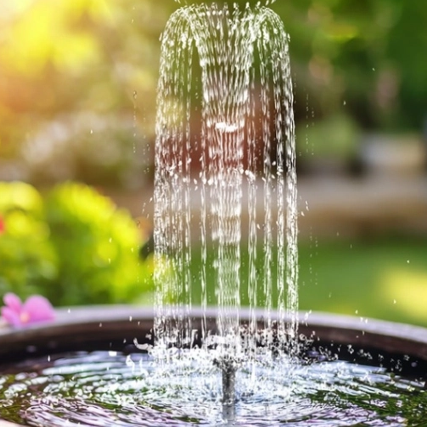
At the heart of every Solar Fountain system is a photovoltaic solar panel that captures sunlight and converts it into electrical energy used to power the fountain pump. The efficiency of the solar panel directly affects the fountain's performance, because stronger sunlight exposure generates more electricity and allows the pump to produce higher water jets.
Most garden fountains use solar panels ranging from 1 watt for small decorative pumps to more than 10 watts for larger fountains that require stronger water flow.
Fountain Size | Typical Solar Panel Wattage |
Small birdbath fountains | 1–5W |
Medium garden fountains | 5–10W |
Large decorative fountains | 10W+ |
Position solar panels where they receive at least six hours of direct sunlight daily for consistent fountain operation.
The solar water pump circulates water through the fountain system and determines the height and strength of the water spray, which directly affects the visual appearance of the fountain display. Pumps are typically rated according to their flow rate, measured in gallons per hour (GPH) or liters per hour (LPH), as well as voltage levels that indicate power capacity.
Lower flow rates produce gentle bubbling or small sprays suitable for birdbaths, while higher flow rates create dramatic jets or cascading water displays in larger garden fountains.
Some advanced solar fountains include rechargeable battery systems that store excess solar energy during sunny periods and use that stored energy to operate the fountain during cloudy weather or evening hours. Battery backup systems are particularly useful for homeowners who want their fountain to continue running during gatherings or nighttime garden events when sunlight is no longer available.
Many solar fountains come with interchangeable nozzles that allow users to customize the shape and pattern of the water spray. Different nozzle styles can produce umbrella-shaped sprays, vertical jet streams, cascading flows, or bubbling effects that change the fountain’s visual character. Adjustable nozzles provide flexibility for homeowners to experiment with various water patterns until they find a style that complements their garden design.
Choosing the right Solar Fountain requires careful evaluation of several factors including garden size, sunlight availability, pump power, materials, and maintenance requirements, because each of these elements influences the fountain’s performance and overall visual impact.
● Matching Solar Fountain Size to Garden Dimensions
Selecting the appropriate fountain size ensures that the water feature complements the surrounding landscape rather than overpowering it. Small fountains work best in compact spaces such as balconies or patios, while larger tiered fountains can serve as focal points in expansive gardens.
● Choosing the Right Solar Panel Wattage
The solar panel must produce enough electricity to power the fountain pump effectively, and larger fountains typically require stronger solar panels to maintain stable water flow.
● Understanding Pump Voltage and Flow Rate
Higher voltage pumps generate stronger water jets, which may be desirable for decorative displays but unnecessary for small birdbath fountains where gentle water movement is preferred.
● Selecting Materials for Durability and Style
Different materials provide varying levels of durability, weight, and visual appeal.
Material | Advantages |
Stone | Durable and natural appearance |
Resin | Lightweight and affordable |
Metal | Modern and sleek design |
Ceramic | Decorative and colorful |
● Evaluating Battery Backup Options
Battery systems extend fountain operation and improve reliability in regions with inconsistent sunlight.
● Ease of Installation and Maintenance Requirements
User-friendly fountains with removable pumps and filters simplify cleaning and reduce long-term maintenance effort.
● Water Reservoir Size and Refilling Frequency
Because solar fountains usually recycle water within a basin, homeowners must occasionally refill the reservoir to compensate for evaporation, especially during hot weather.
Regular water level checks prevent the pump from running dry and extend its lifespan.
A Solar Fountain is one of the simplest ways to enhance a modern garden while maintaining sustainability and ease of use. Powered by clean solar energy, it eliminates the need for electrical wiring, reduces long-term operating costs, and allows flexible placement wherever sunlight is available. Many manufacturers, such as Shenzhen BSV Solar Energy Co., Ltd., continue to develop efficient solar fountain solutions that help homeowners integrate eco-friendly water features into their outdoor spaces.
When choosing a solar fountain, homeowners should consider garden size, sunlight conditions, materials, and pump performance to ensure the feature fits both the style and practical needs of the landscape. With proper installation and regular maintenance, a well-designed solar fountain can bring lasting beauty, gentle water sounds, and a peaceful atmosphere to any garden.
A: A Solar Fountain uses sunlight to power a pump that circulates water without electricity.
A: A Solar Fountain uses a solar panel to convert sunlight into energy that runs the pump.
A: A Solar Fountain offers eco-friendly operation, flexible placement, and low maintenance.
A: Check sunlight exposure, water level, and pump blockages first.