
English 
The increasing global demand for sustainable agricultural practices has led to the exploration of renewable energy sources in farming. Among these, the Solar Irrigation System has emerged as a revolutionary technology. This system not only addresses the energy needs of irrigation but also aligns with eco-friendly practices. By harnessing solar energy, farmers can efficiently manage water resources, reduce carbon footprints, and lower operational costs. This article delves into the myriad advantages of solar irrigation systems, examining their impact on agriculture, economic benefits, and environmental sustainability.
Solar irrigation systems utilize photovoltaic panels to convert sunlight into electricity, which powers water pumps for irrigation. These systems can be customized to suit various agricultural needs, from small-scale garden setups to large commercial farms. The integration of a Solar Irrigation System Kit with Automatic Water Timer allows for precise control over watering schedules, optimizing water usage and ensuring crops receive adequate hydration.
A typical solar irrigation setup includes solar panels, a controller, a water pump, and a storage tank. The controller regulates the energy flow, ensuring efficient operation even during cloudy days. The system's design can be tailored to specific requirements, such as the Garden Solar Drip Irrigation System, which is ideal for conserving water in arid regions.
One of the most compelling reasons for adopting solar irrigation systems is their economic viability. Traditional irrigation methods often rely on diesel or electric pumps, which incur high fuel and electricity costs. In contrast, solar-powered systems significantly reduce or eliminate these expenses, offering long-term savings. A study conducted by the International Renewable Energy Agency (IRENA) found that solar irrigation systems can reduce operational costs by up to 60% compared to diesel-powered systems.
Furthermore, the initial investment in solar technology is offset by government incentives and subsidies aimed at promoting renewable energy adoption. These financial aids make it feasible for farmers to transition to solar irrigation, enhancing their profitability. The Solar Irrigation System manufacturer often provides financing options and technical support, further easing the financial burden on farmers.
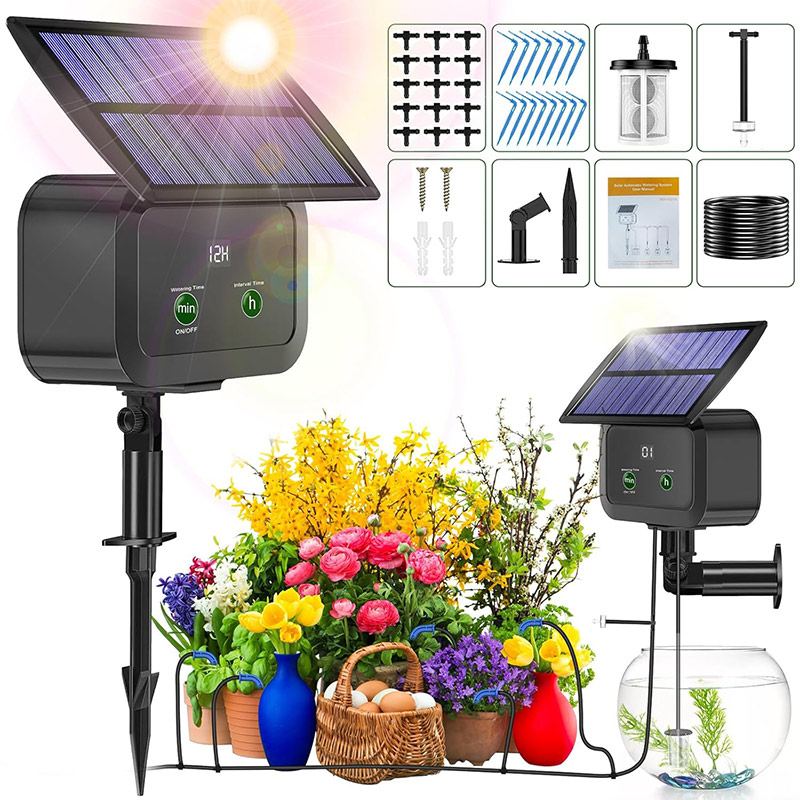
The environmental benefits of solar irrigation systems are substantial. By utilizing solar energy, these systems reduce reliance on fossil fuels, thereby decreasing greenhouse gas emissions. This shift contributes to global efforts in combating climate change. Additionally, solar irrigation promotes water conservation through efficient management and distribution techniques.
The use of a Reliable Eco-friendly Solar Irrigation System ensures minimal environmental disruption. Unlike traditional systems that may lead to soil erosion and water wastage, solar-powered systems are designed to optimize resource use, preserving the natural ecosystem.
Advancements in solar technology have led to the development of more efficient and durable irrigation systems. The introduction of Crackproof Waterproof Solar Irrigation System components ensures longevity and reliability, even in harsh weather conditions. These innovations have made solar irrigation a viable option for diverse agricultural environments.
Moreover, the integration of smart technology in solar irrigation systems allows for remote monitoring and control. Farmers can now manage their irrigation systems via mobile apps, receiving real-time data on water usage and system performance. This technological leap enhances the efficiency and effectiveness of solar irrigation, making it an attractive choice for modern agriculture.
Several case studies highlight the successful implementation of solar irrigation systems across the globe. In India, for instance, the government has launched initiatives to promote solar irrigation in rural areas, resulting in increased agricultural productivity and reduced energy costs. Similarly, in Africa, solar irrigation projects have empowered smallholder farmers by providing them with a sustainable and cost-effective solution for water management.
In the United States, the adoption of solar irrigation systems has been driven by the need to address water scarcity in drought-prone regions. Farmers in California have reported significant improvements in crop yields and water efficiency after switching to solar-powered irrigation. These real-world applications underscore the transformative potential of solar irrigation systems in enhancing agricultural sustainability.
Despite the numerous advantages, the adoption of solar irrigation systems is not without challenges. The initial cost of installation can be a barrier for small-scale farmers, despite the availability of subsidies and financing options. Additionally, the efficiency of solar panels can be affected by weather conditions, necessitating the need for backup systems or energy storage solutions.
Maintenance and technical expertise are also crucial for the successful operation of solar irrigation systems. Farmers must be trained in system maintenance and troubleshooting to ensure optimal performance. Collaborations with Solar Irrigation System manufacturers can provide the necessary support and resources to overcome these challenges.
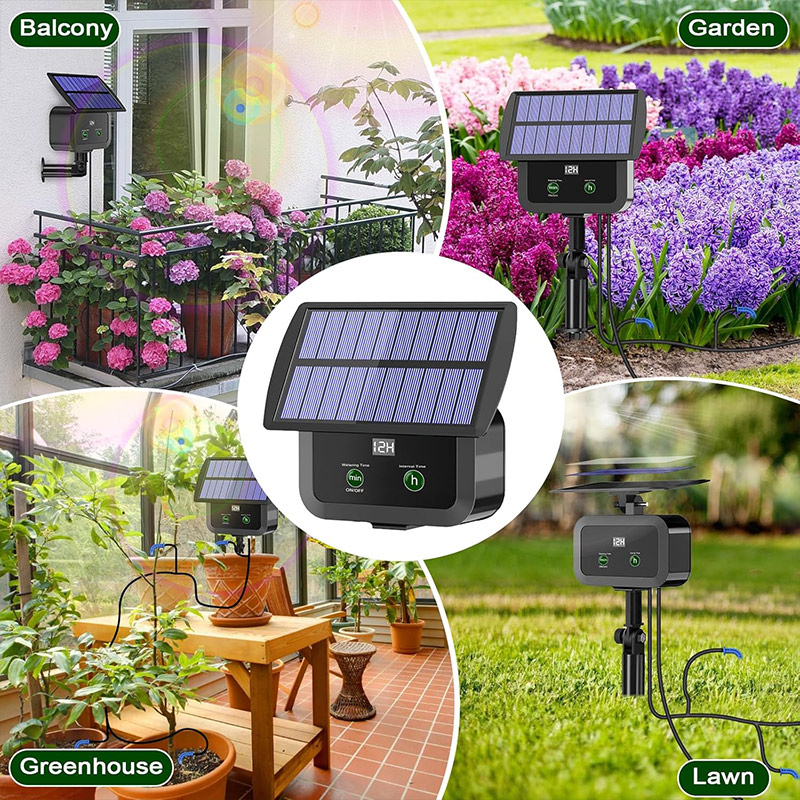
The adoption of solar irrigation systems represents a significant step towards sustainable agriculture. By leveraging renewable energy, these systems offer economic, environmental, and technological benefits that traditional irrigation methods cannot match. While challenges exist, the continued advancement of solar technology and supportive policies will likely drive the widespread adoption of solar irrigation in the coming years. For farmers seeking to enhance their productivity and sustainability, investing in a DIY Solar Irrigation System Kit or a more advanced setup like the BSV-IC012 Solar Irrigation System or BSV-IC201 Solar Irrigation System could be a game-changer.
1. What are the primary benefits of using a Solar Irrigation System?
Solar irrigation systems offer numerous benefits, including reduced energy costs, environmental sustainability, and increased water efficiency. They provide a reliable and eco-friendly solution for modern agriculture.
2. How does a Solar Irrigation System work?
These systems use photovoltaic panels to convert sunlight into electricity, powering water pumps for irrigation. They can be customized with features like automatic water timers for optimal water management.
3. Are there any financial incentives for adopting solar irrigation?
Yes, many governments offer subsidies and incentives to promote the adoption of renewable energy technologies, making solar irrigation systems more affordable for farmers.
4. What are the environmental impacts of solar irrigation?
Solar irrigation systems reduce reliance on fossil fuels, decreasing greenhouse gas emissions and promoting water conservation, which helps in preserving the natural ecosystem.
5. Can solar irrigation systems be used in all weather conditions?
While solar panels are most efficient in sunny conditions, they can still function during cloudy days. Backup systems or energy storage solutions can enhance reliability.
6. What are the challenges of implementing solar irrigation systems?
Challenges include the initial cost of installation, the need for technical expertise, and maintenance requirements. However, support from manufacturers and government incentives can mitigate these issues.